P.Moon
Patience while chasing goals
No one Cheers for the Lazy Guy
Why do you want to be mediocre?
Does a man need to be broken in order to rebuilt

Self limiting beliefs can stagnate your life!
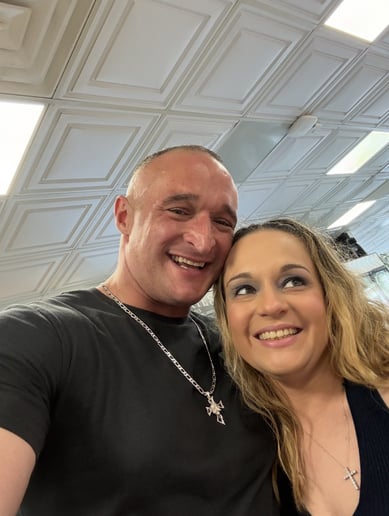
Me an my Wife

Winning Top Sales/ Dealer Award

Shooting Episode with Dr. Waterhouse

Shooting show with Jeff Davis CEO and Owner of Sheffield Pharmaceuticals
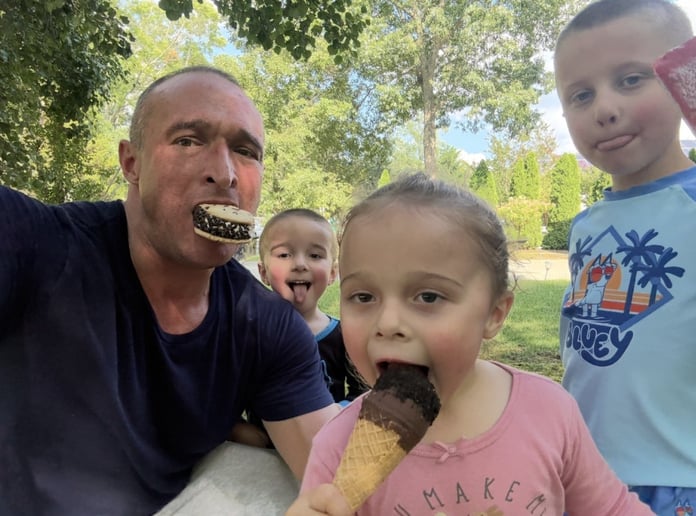
Kids First ice cream truck
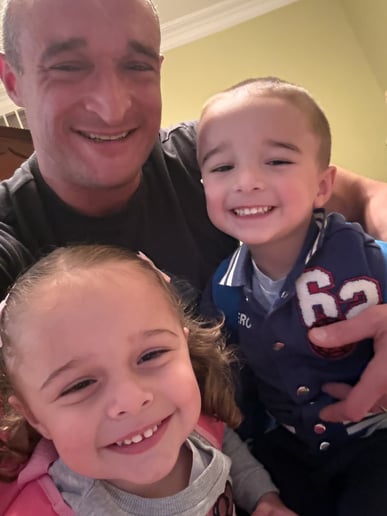
Kids first day of school
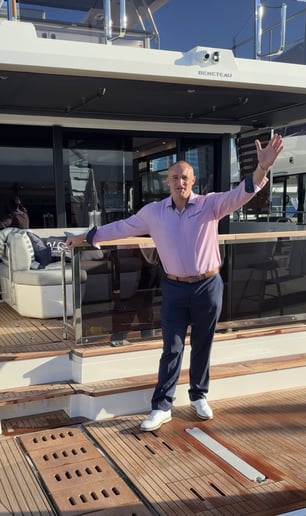
Shooting a video Walkthrough of a Yacht
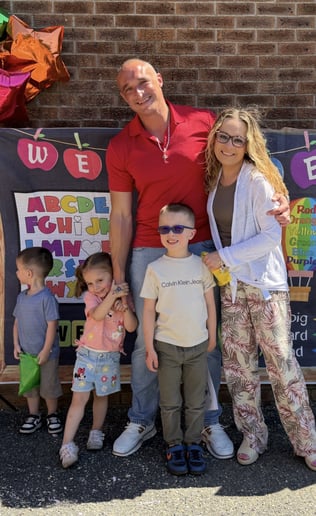
The family
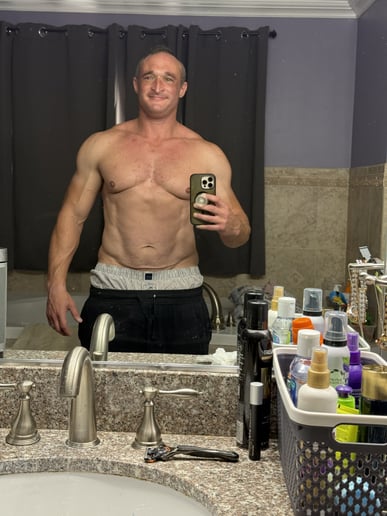
Body after losing 200Lbs
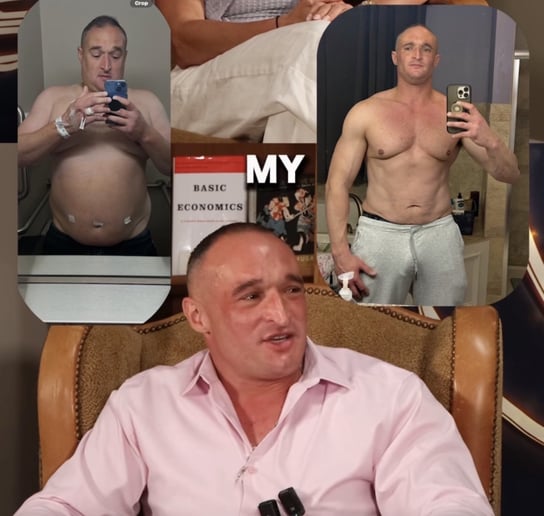
Before and after weight loss and health journey on the Podcast
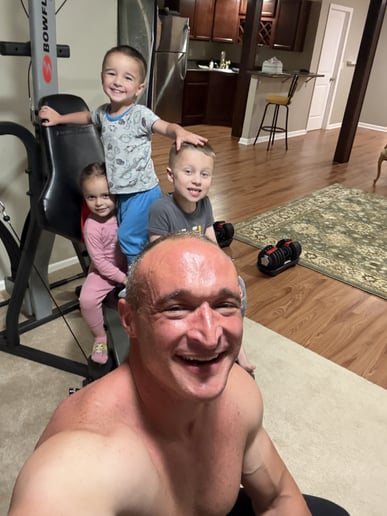
Working out with kiddos!
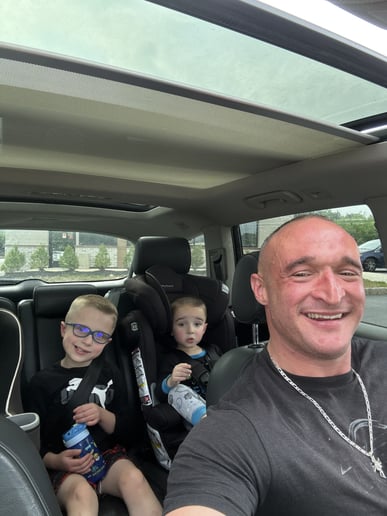
Driving with my sons!
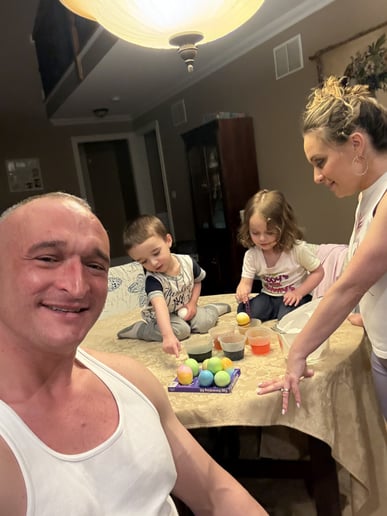
Easter eggs!!

At a boat show
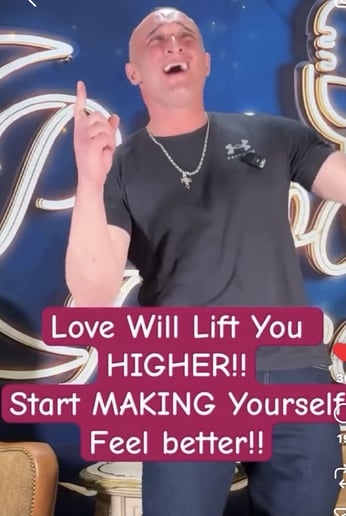
Love will lift you Higher
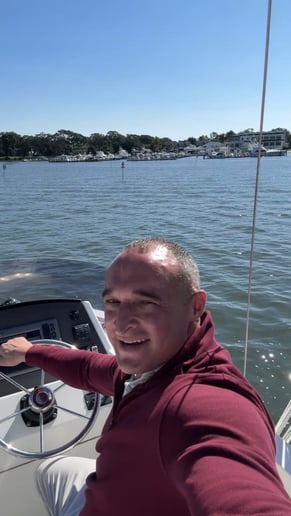
On flybridge sea trial
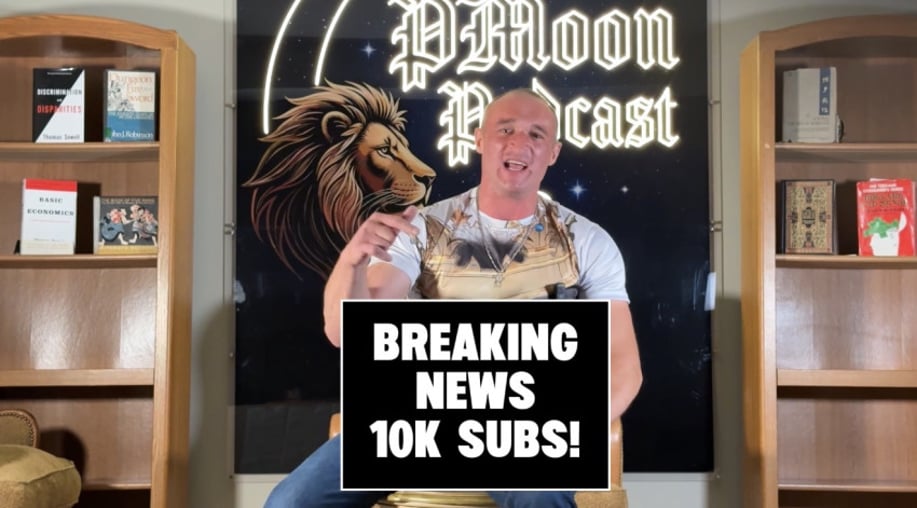
10k subs pic
Overview
Patrick Mooney Motivational Speaker,jumped out of a moving car as a small child because it felt safer than staying next to his father. On PMoonPodcast he tells that story straight: the duality of wanting a dad and needing to escape him, the years those wounds followed him, and the decision to break the curse instead of handing it down. He speaks to young men and women about courage, responsibility, and building a life that does not repeat what broke you. How Separating from the herd and becoming a Lion in your own life is the path to a healthy life and future. I talk about seeing the psychological angles that imprison us in a life of mediocrity and how changing your point of view frees you!
Reviews
Be the first to review P.Moon
Write a reviewBooking information
Price range: $2,500 – $750,000 per event
About
The Heater and the House
A Short Biography of Patrick Mooney
Patrick Mooney slept beside a kerosene heater because the bungalow did not give him a bedroom. The heater ticked and smelled of fuel. Warmth was not safety. A child learned not to roll into it, and learned that a house can be heated and still be no place to grow a life. The television was furniture, big wood, pledged, with foil on the antenna so it would pull four channels instead of three. Breakfast was often puffed wheat from a bag, the blandest cereal a child could be handed and told was food. Later there was another house and a second living room that stayed in order. He came to love a room like that. The love was not taste. It was the relief of a man who once had no door of his own.
His father was a police officer. His father also sold drugs and used them. In the 1980s and early 1990s those were the same man. Cocaine pickups needed collateral, and more than once the collateral was the boy, left in the projects with runners he remembers as being out of Peru. They took pictures. A child in a sombrero. A child who thought the men were his father’s friends and therefore his peers. He cannot imagine handing his own son over as a receipt.
After an injury on the job, the father bartended a couple of miles from the house. Patrick got off the school bus there and played shuffleboard while adults drank at two in the afternoon. Sometimes the father was not there. At five, the boy walked, scared, until a neighbor picked him up. He remembers slamming his hand in the car door. Bonding, such as it was, came in a glass. Sips at five, eight, and ten. Beers by twelve, bought by the father, and for an afternoon the boy was the cool kid whose dad got the beer. The smell of his fathers Liqour breathe disgusted him. Disgust and loyalty lived in the same mouth.
They would be driving. A Hyundai Elantra, about forty miles an hour. The boy talking. The father hungover, or on something, or done with the sound of his own child. He swung. Rather than stay for it, Patrick jumped out of the window. He did it two or three times. He was four or five. For a split second he thought his feet would hit and he would run. Around nine or ten, after the boy said what a hurt child says, the father punched him out and left him on the floor by a sliding glass door. He woke to sun. He did not cry. The father was gone. At a precinct an arrested man reached through the bars and choked him until his head swelled. The father punched the man off him. Rescue and danger wore the same face.
His mother was absent in the stretches that mattered and present in the stretches that enabled. Generational drinking was already in the walls. Grandfather still on scotch near ninety. Grandmother with Johnny Walker Red at breakfast. Uncles and the men who slept over. Whiskey in a baby bottle when he was months old. Hot toddies at four, five, and six. The first full beer between six and eight, because the party looked like the adult world. He has called it a curse, and then talked about breaking it.
School saw a different boy. He was in honors, in the programs for kids who ran ahead. The quickness got masked by friends and by what he was already doing after the bell. By sixth and seventh grade the father was buying thirty-packs and the mother was keeping the bar full enough that friends would come. Patrick became the address. Drinking before school. Funnels. Weed in the bathroom. From about twelve until his early thirties he was drunk or high most of the time. Twenty years. He has called survival a miracle.
In eighth grade he asked to be left back. Not because he could not do the work. Because he wanted out of the peer pile. The parents said no. A boy asked for a wall and was told the wall was not available. He reported a teacher and found the family on the institution’s side. Police. Hours cuffed while blood was drawn. Unsafe at home, unsafe at school, later unsafe in the beds he mistook for shelter. Alcohol became the safe place because it was an escape from places. It was not safe. It was only elsewhere.
The good self went quiet. It did not die. Friends’ fathers became second fathers. Tony, whom he calls Pops, mattered most: the car business, church, a wingman. Bob Drozd. Al Foy. Lee Bones. He did not get a father. He got samples, and he stored them.
Adulthood professionalized the drinking. He worked to pay for it. Waiting tables, because cash pays for a night. Sales, because he had a tongue and a hunger to be seen. Older managers started to respect a kid in his twenties. The car business was the first place the injury paid rent in public. Weed, cocaine, pills. Waking up across town in a car he did not remember. Women he was ashamed of by morning. Crashed cars. Fights. Nights he has described as nearly killing people. Robbing dealers in the same kind of buildings he had been left in as collateral. He lost the girl from childhood more than once. Addiction took the same woman until she stayed or he got tired.
For six months he lived in his car at Garden State Plaza, near Bergen Community College. He bathed in Exxon bathrooms. He ate bread for weeks. He hated the man in the mirror and still handed him the keys. Cheap vodka after close. Friends died. The helper and the abandoned man were the same person. You can be useful and still be alone.
He met Alesha when he was about nine and she was about seven. She said she was going to marry him. He did not date her early, because he already knew what he was and did not want to cheat on the one person who might matter. They lost each other in high school and again in his twenties. She came back. He calls her his balance. Marriage, in his telling, is a team, not a vibe. She aimed the podcast at the truth. He took the aim.
The children arrived, and the body presented its bill. About Four hundred pounds. MRIs Cat Scans. He thought it was his liver. Possible cancer. His wife’s tears did the rest. Something had to give, and he decided it would not be the house with the children in it. Her pregnancy sat on the switch. He looked at alcohol, cocaine, pills, hangovers, and the time already wasted, and said (link hidden)d said no like a man slamming a door with reverence.
The weight came off, on the order of two hundred pounds. Sobriety landed in his early thirties and has held. He might have a cocktail a few times a year and hates it. Harder drugs are not on the table. He is not the person who drank the way he drank. He credits the family with curing what he calls his soul, and God with being the one who arrives when no person is coming. The break had to be specific. No violence as a tool. No pushing alcohol at a child to manufacture a bond. Attention instead.
His son said look at me, Dad, I’m fast. He ran with the boy. He has called it the greatest moment of his life. The kids are three kinds of weather in one hallway.Buggy. Sharky. Binx. Twins. Loud, which means present. Going hard at being a dad, he says, is fun. Alesha is inside the break. Super husband, stripped of the poster, means he does not make her carry the recovery alone.
Sales was the first honest mirror that also paid. Desperation was the teacher. Love the client, gratitude, respect, balance: those are scar tissue organized into a method. The boats came later. Clark’s Landing Yacht Sales. The Northeast coast. He walks hulls, Nimbus and Beneteau, and tells the truth about what a boat will and will not do. Top of the board is a ranking he has chased since the first store, now pointed at vessels instead of the night. A sober follow-up is a different instrument. He can go home without spending the commission on the thing that used to own the evening.
The microphone was his wife’s correction before it was a strategy. Episode 4 opens with a child leaving a moving car. Episode 21 is the inventory, from the baby bottle to the parking lot to the other side. The numbers moved from a hundred views a day to hundreds of thousands. He talks to men on purpose. Fathers losing the plot. Salesmen funding a disappearance with real talent. Boys who think the thirty-pack is a personality. The credential is not a certificate. It is the distance between the heater and the hallway, walked in public so another man can see that the distance is walkable.
He lives on the New Jersey coast where he works, with the home gym, the three children, the marriage, and the listings. The bungalow is not the address. The heater is off. The house is his. He is in it. A boy who was collateral named himself later, in public, as a husband, a father, a closer, and a man healthy enough to stay. That naming is the work. The next man can start before the parking lot if he wants. Patrick will still talk to the one who is already there, because he remembers the sink, and he remembers that somebody has to say the exit is real.
The ask, when he points the microphone outward, is plain. If the house poured for you before you could refuse, you are not required to keep pouring. If the talent on the floor is real, do not spend it on a disappearance. If a child says look at me, that sentence outranks the deal, the clip, and the mood. If a wife aims you at the truth, take the aim. If the body is keeping score, read the score before the scans have to read it aloud. If friends have died of the thing you are still calling a personality, change the name.
He offers himself as evidence, not as a finish line. A bungalow without a bedroom is not a destiny. A police officer’s son can refuse both the badge’s excuse and the bag’s excuse. Twenty years on autopilot can still end in a hallway where the father turns his head. Sales, practiced sober, can feed a house instead of a night. A man can hate who he was and still walk the dock in the morning without bringing that man to work.
Put him in the room he has now. It is not the bungalow. It has doors. The children have places that are theirs, even when they refuse to stay in them. The heat is not a grate he has to negotiate with in his sleep. Order is a luxury if you grew up in a common area beside a fuel fire, and he still feels the relief of a room that stays put. The body is the other room: down from 400 pounds , trained, awake, not bargaining every morning with the previous night. Healthy means available. Available to the dock, to the close, to the hallway, to the years he intends to be in the pictures for, to his wife and too his kids most of all.