Orquesta Broadway

Overview
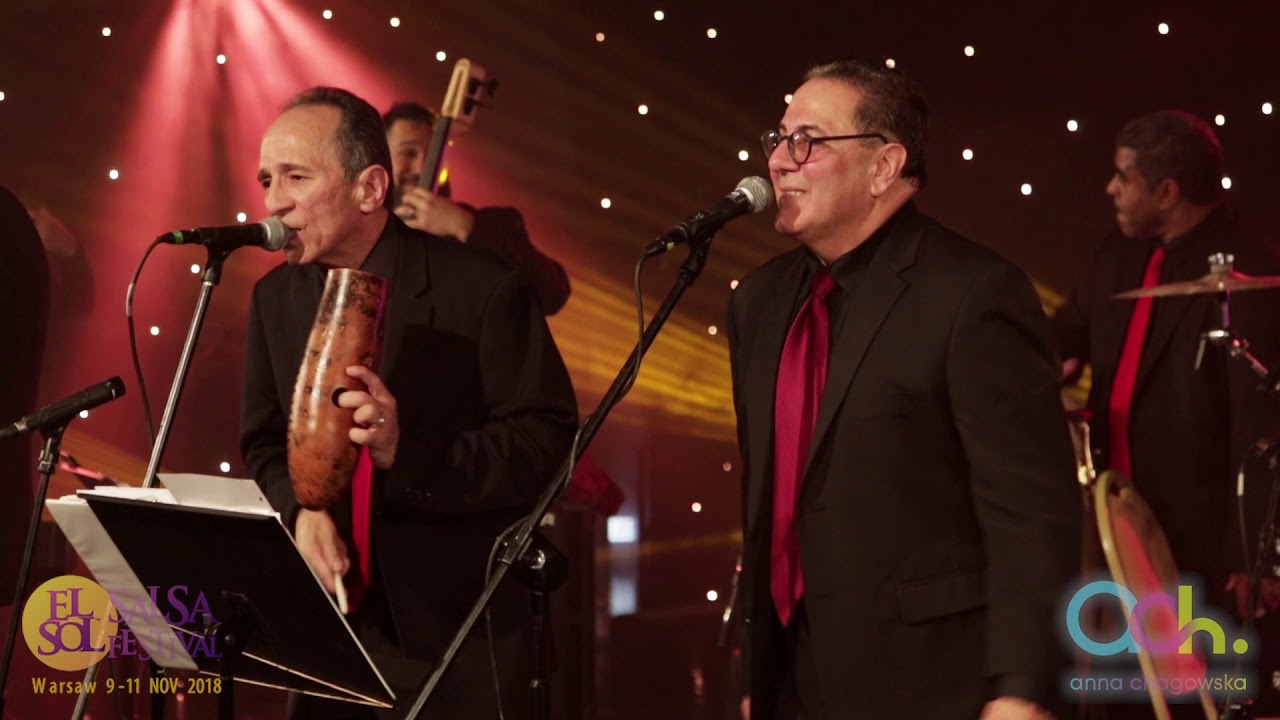
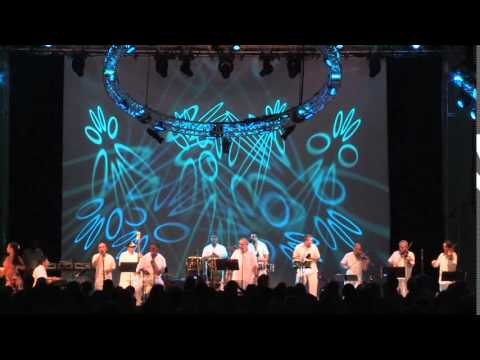
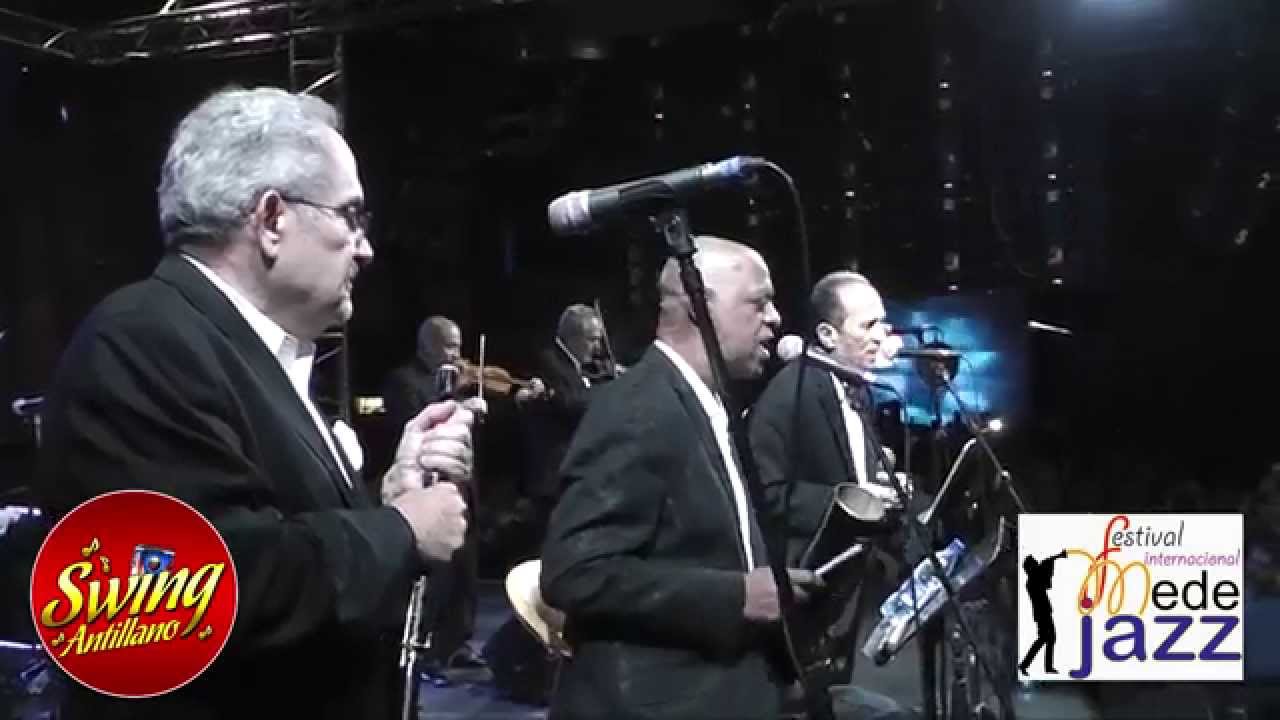
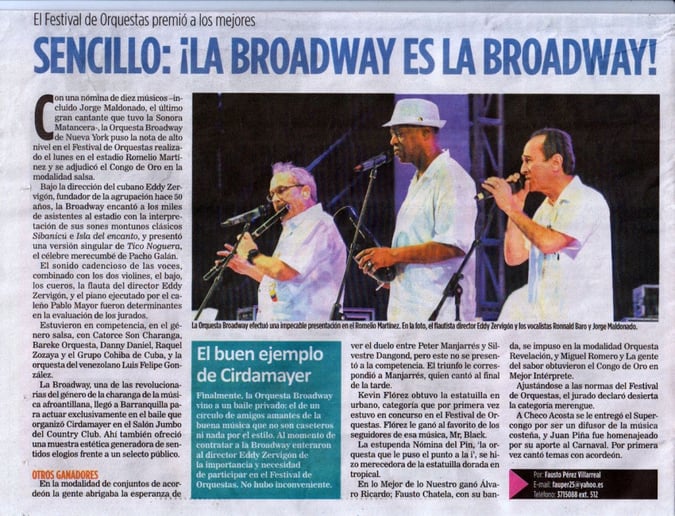
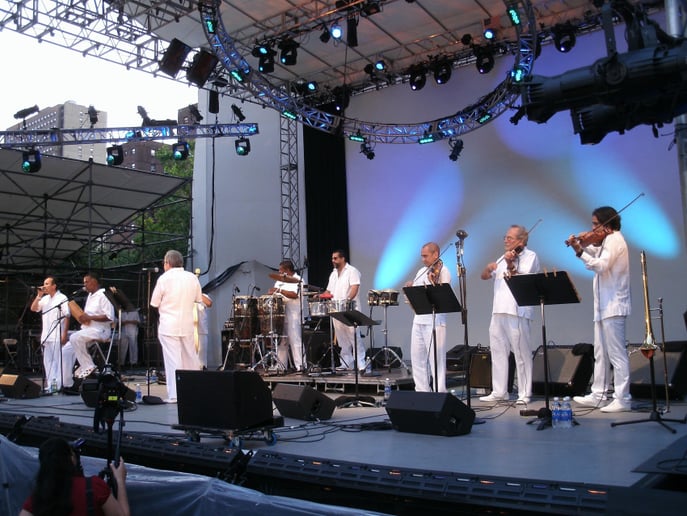
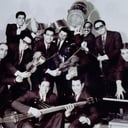
Orquesta Broadway, led by Eddy Zervigon, brings the unforgettable sound and energy of classic New York Salsa Latin music to every event since the 1960's. With decades of experience entertaining audiences, this Orchestra delivers a vibrant live performance perfect for weddings, private parties, corporate events, festivals, and cultural celebrations. Clients choose Orquesta Broadway for their professionalism, authenticity, musical excellence, and ability to create an exciting atmosphere that keeps guests dancing and engaged throughout the event. Make your event unforgettable with legendary Orquesta Broadway's unique repertoire and learn first hand why they are so respected & revered worldwide.
Reviews
1 review

Vanessa J.
August 27, 2026Grandmas 80th surprise party
Having Orquesta Broadway perform at both my Quinceañera and my grandmother’s 80th birthday was truly unforgettable. To have such a legendary orchestra be part of two of the most important celebrations in our family made both events incredibly special.
Their music, energy, and presence were amazing, and knowing the history and legacy behind Orquesta Broadway made the experience even more meaningful. It is not every day that you get to say a true legend performed at your family’s milestones. We are so grateful for the memories they helped create and would recommend them without hesitation.
Hired as: Latin Band, Spanish Entertainment
Booking information
Price range: Starts at $2,000
Languages: English, Spanish
Gig length: 60 - 180 minutes
About
Eddy Zervigón & Orquesta Broadway
A Living Legacy of Cuban Charanga in New York
For more than six decades, Eddy Zervigón and Orquesta Broadway have represented one of the most enduring connections between the musical traditions of Cuba and the vibrant Latin music culture of New York City. Through his distinctive flute playing, leadership, and dedication to the charanga tradition, Zervigón helped preserve a distinctly Cuban sound while allowing it to evolve within the musical landscape of New York.
From Güines, Cuba to New York City
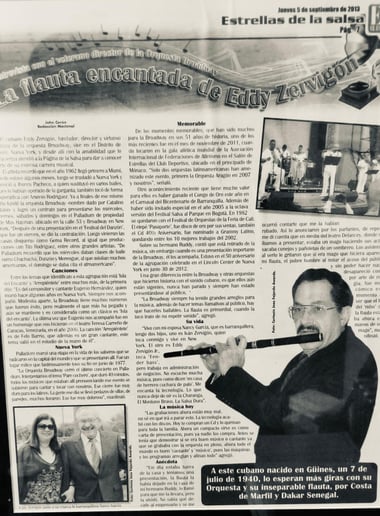
Eddy Zervigón was born on July 7, 1940, in Güines, Cuba, a town southeast of Havana with a rich musical heritage. His development as a musician began in Cuba, where he eventually turned his attention to the flute. As a teenager, Zervigón was influenced by Richard Egües, the legendary flutist associated with Orquesta Aragón, one of Cuba’s most celebrated charanga orchestras.
That influence would become important throughout Zervigón’s career. Rather than abandoning the traditional Cuban flute style as musical fashions changed, he became one of its great practitioners and preservationists.
Zervigón became particularly associated with the five-key wooden flute, sometimes called the French flute, rather than the modern Boehm-system concert flute. Its bright, penetrating tone became a defining element of the Orquesta Broadway sound. (The City College of New York)
In 1962, Zervigón left Cuba with his brothers and initially arrived in Miami before relocating to New York City. There, the young musician entered one of the most exciting Latin music scenes in the world.
Before establishing Orquesta Broadway, Zervigón performed with musicians and orchestras associated with figures including Johnny Pacheco, Arsenio Rodríguez, Lou Pérez and Alfredo Valdés Sr. These experiences placed him directly within the generation of Cuban, Puerto Rican and other Caribbean musicians who were transforming New York’s Latin music scene during the 1960s. (The City College of New York)
The Birth of Orquesta Broadway
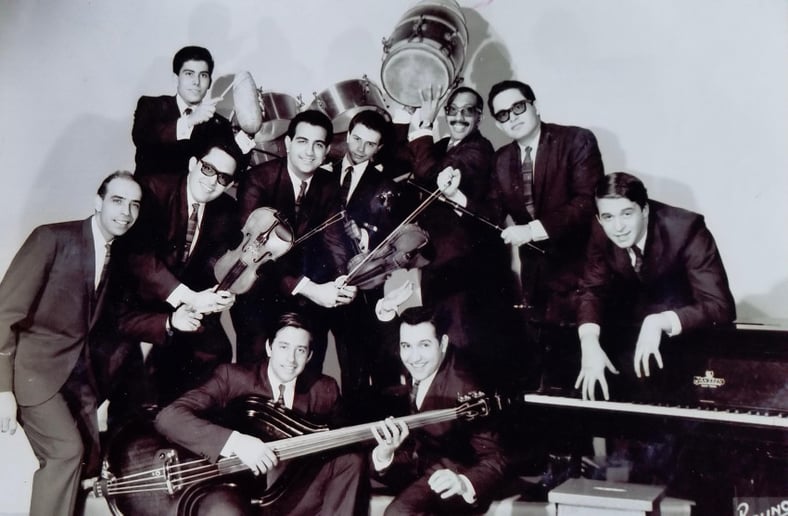
In 1962, Eddy Zervigón helped establish Orquesta Broadway in New York. His twin brother Rudy Zervigón, a violinist, was among the founding members, while his younger brother Kelvin Zervigón was also involved with the orchestra. Singer Roberto Torres, who would become an important figure in Latin music in his own right, was closely associated with the group’s founding. (AllMusic)
The name Orquesta Broadway reflected the band’s new home. According to accounts of the orchestra’s history, a promoter suggested the name because members of the group lived near Broadway. (Hostos Community College)
The orchestra emerged during an extraordinary period in New York Latin music. Mambo, cha-cha-chá and pachanga filled clubs and ballrooms, while Cuban musicians arriving in the United States brought their musical traditions into contact with New York’s Puerto Rican and broader Latino communities.
Orquesta Broadway distinguished itself by remaining devoted to the charanga format.
Rather than the brass-heavy sound commonly associated with later salsa orchestras, traditional charanga places the flute and violins at the center of the ensemble, supported by piano, bass, güiro, congas, timbales, vocals and other percussion.
The result is a sound that can be simultaneously elegant and intensely rhythmic: soaring flute improvisations above violins and an Afro-Cuban rhythm section designed for dancing.
The Palladium Era
Orquesta Broadway became part of New York’s legendary Latin dance circuit and performed at venues including the Palladium Ballroom, one of the most important institutions in the history of mambo and Latin music in New York.
The orchestra’s music carried the sophistication of Cuban charanga while absorbing the energy of its new surroundings. It helped establish a musical bridge between the great Cuban dance orchestras and the developing New York sound that would eventually become internationally identified with salsa.
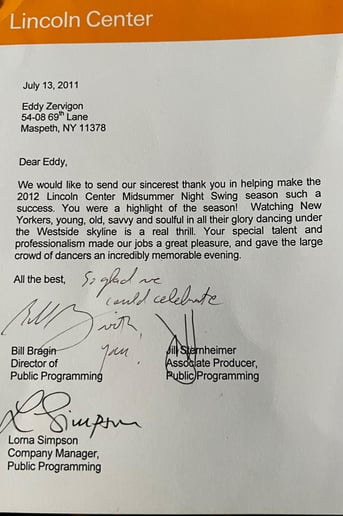
Lincoln Center describes Orquesta Broadway as one of the most important and enduring charanga ensembles in the United States, noting its role in preserving the traditions of danzón, cha-cha-chá and pachanga while adapting them to New York’s Latin musical environment. (Lincoln Center)
“Como Camina María” and the Rise of Broadway
Orquesta Broadway made its first recordings during the early 1960s. Its album Dengue introduced one of the orchestra’s early signature songs, “Como Camina María.”
Recordings that followed during the 1960s helped establish Broadway as one of New York’s leading Latin orchestras. Albums including Arrímate Pa’ Acá and Tiqui, Tiqui strengthened its reputation and helped bring the orchestra to an international audience. (BroadwayWorld)
But the orchestra’s importance went beyond individual hits.
Zervigón maintained a recognizable musical identity at a time when Latin popular music was changing rapidly. As larger salsa ensembles and brass-driven arrangements became increasingly dominant during the 1970s, Broadway continued demonstrating that the flute-and-violin charanga format could remain exciting, contemporary and commercially viable.
An International Orchestra
The orchestra’s reputation eventually extended far beyond New York.
Orquesta Broadway toured internationally, carrying its interpretation of Cuban charanga throughout Latin America, Europe and other parts of the world. A 1967 trip to Caracas, Venezuela, helped establish its international presence, and the group’s touring history would continue to expand over subsequent decades. (BroadwayWorld)
After spending several years based in Miami, the orchestra returned to New York in the mid-1970s and entered another important period in its career.
Its 1976 album Pasaporte, produced by acclaimed trombonist Barry Rogers, further increased the orchestra’s popularity. By 1977, Orquesta Broadway was reportedly playing as many as 15 dances per week in New York, an indication of the enormous demand for the group at its height. (Hostos Community College)
Recordings such as Salvaje, Pasaporte, New York City Salsa, Paraíso and later Orquesta Broadway Loves New York documented an ensemble capable of preserving its roots without becoming frozen in the past.
Eddy Zervigón the Flautist
At the center of it all remained Eddy Zervigón.
His flute became the musical voice of Broadway.
Zervigón developed a reputation as a virtuoso of the traditional five-key flute, an instrument requiring a very different technique from the modern concert flute. His improvisational style combined the vocabulary of Cuban charanga with the spontaneity and intensity of New York’s Latin dance music.
His reputation extended beyond his own orchestra. Over the years, Zervigón appeared on numerous recordings and performed as a guest with respected musicians and ensembles including Manny Oquendo’s Conjunto Libre, Grupo Folklórico y Experimental Nuevayorquino and Eddie Palmieri’s group. (The City College of New York)
Yet Orquesta Broadway remained the defining project of his life.
More Than Sixty Years of Orquesta Broadway
Few musical groups survive for decades. Even fewer maintain a recognizable musical identity for more than half a century.
Orquesta Broadway did both.
In 2012, the orchestra celebrated its 50th anniversary at Lincoln Center in New York City. During the celebration, Zervigón and the orchestra received a special proclamation from the New York City Council, recognizing their extraordinary contribution to the city’s cultural history. (BroadwayWorld)
The band’s longevity continued.
A 60th-anniversary celebration honored Orquesta Broadway’s remarkable history and Zervigón’s continuing leadership. City College described the ensemble as one of the few surviving New York charangas and the longest-running orchestra of its kind outside Cuba. (The City College of New York)
The orchestra’s longevity is especially significant because it spans several distinct eras of Latin music: the final years of New York’s mambo ballroom culture, the pachanga and charanga boom, the emergence of salsa in the 1960s and 1970s, salsa’s international expansion, and the modern revival of interest in traditional Cuban music.
Broadway survived all of them.
Recognition and Legacy
Orquesta Broadway’s recorded catalog eventually grew to more than twenty recordings, documenting decades of musical development. Its 40th-anniversary recording received a Latin Grammy nomination in 2003, providing another recognition of the orchestra’s lasting artistic importance. (BroadwayWorld)
But the greatest measure of Eddy Zervigón’s achievement may be longevity itself.
He did not simply recreate the music he remembered from Cuba. He helped establish Cuban charanga as part of the permanent musical culture of New York City.
Through Broadway, generations of dancers and listeners who may never have experienced Cuba’s great charanga orchestras firsthand encountered the combination of flute, violins, percussion and vocals that defines the tradition.
And while musical fashions repeatedly changed around him, Zervigón maintained the fundamental character of the orchestra.
That persistence turned Orquesta Broadway into something larger than a dance band.
It became a musical institution.
A Bridge Between Cuba and New York
The story of Eddy Zervigón is ultimately also an immigrant story.
A young musician left Güines, Cuba, in 1962 and arrived in a New York City experiencing enormous cultural change. Instead of leaving his musical heritage behind, he carried it with him.
Alongside his brothers and generations of musicians who passed through Orquesta Broadway, Zervigón transformed that heritage into something that was simultaneously Cuban and unmistakably New York.
From the Palladium Ballroom to Lincoln Center, from neighborhood dances to international stages, the sound of Eddy Zervigón’s wooden flute has remained at the center of that journey.
More than sixty years after Orquesta Broadway was founded, its history represents an extraordinary chapter in Cuban and New York Latin music.
Eddy Zervigón did more than lead an orchestra. He helped preserve a tradition, carried it across borders, introduced it to new generations, and ensured that the sound of Cuban charanga would remain alive in New York City.
That is the legacy of Eddy Zervigón and Orquesta Broadway.
Services offered
Report Orquesta Broadway
Latin Band